


Arab Food Dynasties Reshape New York’s Culinary Scene
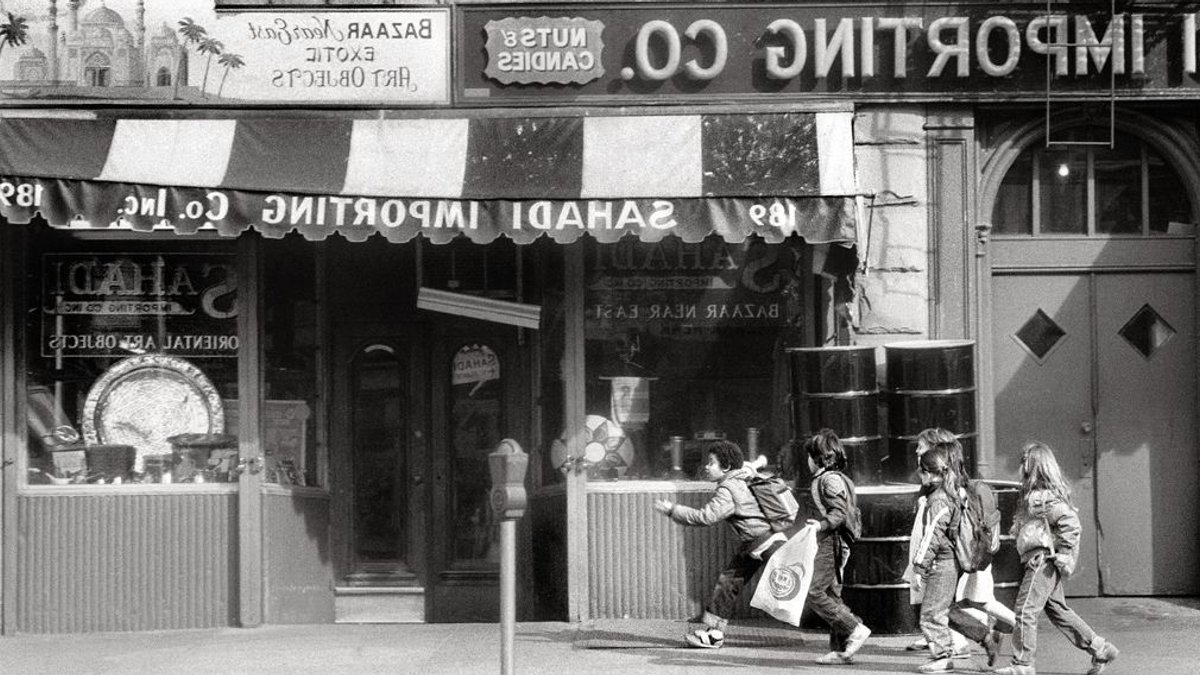
New York’s Middle Eastern food scene emerged from a handful of family-run businesses that put down roots along Brooklyn and Manhattan streets over a century. Early Arab communities settled downtown in the late 1800s, crossed the East River by ferry to Atlantic Avenue in the early 1900s, and later moved to Bay Ridge and Astoria via the R train.
From Washington Street to Atlantic Avenue
The Sahadi family opened their first shop on Washington Street in 1895, long before Atlantic Avenue became the neighborhood’s hub for Arab commerce. They moved to their current location in 1948. Christine Sahadi Whelan, a family member, recalls how business unfolded over coffee in the back room. “Customers would have coffee with my grandfather and then decide what to buy. It was like a souk, not a typical supermarket. Nobody left without coffee, and in the evening without arak. That was just the way,” she said. The store still attracts third-generation customers seeking jars of green-gold olive oil and freshly prepared kibbeh over 130 years later.
Related: World Cup Viewed With Gourmet Food Experts
Falafel and the American Appetite
The Bordays started some of the city’s first falafel shops in the late 1960s. They would open carts, a truck, and more Pierre’s Falafel storefronts, one of which they left to the Chaters, who went on to open Mamoun’s.
Noel Borday remembers the early days: “Most Americans didn’t even know what a chickpea was.” The family converted a mobile kitchen into a falafel shop, complete with a belly dancer painted on the side. Business picked up after finding a spot in front of Hunter College.
The Chaters opened Mamoun’s Falafel on Macdougal Street in 1971.
Related: Offshore and Inshore Fishing Charters Differ in Many Respects
Galal Chater said his father made a list of expenses before entering the food business. “The biggest expense outside of rent was food, so he thought, ‘If I open up a restaurant, that’s taken care of for me,'” Galal said. The family couldn’t afford workers at first, so his parents split shifts while his father held odd jobs elsewhere. “I remember the day when a line started forming and my mom freaked out,” Galal said. “We ran down the street to find my dad, and from that point on, he said, ‘All right, I think we’ve got something here.'”
These families’ restaurants served as entry points into American life. The Yemen Café, opened by the Alsubai family in 1986, operated in a neighborhood with a strong Yemeni population where everyone knew each other. Mahmood Yahya Alsubai said his father opened the restaurant with a partner who had previously worked as a chef in the World Trade Center. Many customers came because they recognized the family name from other local establishments.
What these families created went beyond meals. They built gathering places where coffee, conversation, and community overlapped, mirroring the same atmosphere found in the villages and cities their grandparents had left behind. The back rooms and counters served as informal offices where deals were made, English was practiced, and a city’s food culture shifted permanently.
Related: NYC Gets El Califa de León from Mexico City
A Neighborhood in Transition
Atlantic Avenue’s Arab food corridor faced significant disruption around 2008. The economic crash brought development and new residents to the neighborhood. According to Mahmood Yahya Alsubai, only five original establishments remain: Yemen Café, Sahadi’s, Damascus, Malko, and Oriental. The changes reshaped a commercial setting that had operated for decades on personal relationships and family networks.
The families who spoke for this article traced their roots through old boxes of photographs and shared memories passed down across generations. Their stories document how immigrant entrepreneurs built restaurants, groceries, and food businesses that introduced New Yorkers to dishes most had never encountered. Whether selling olive oil by the jar or falafel from a converted truck, these families shaped what the city eats.


