


Troubleshooting Your Brew: Common Mistakes and How to Fix Them
There is a profound sense of disappointment that comes with smelling a heavenly aroma while your coffee brews, only to take a sip and find it bitter, sour, or tragically weak. If you’ve invested in high-quality beans and a decent brewer but your results are still inconsistent, don’t worry, you aren’t a bad barista. You are likely just falling victim to one of the common hidden variables of coffee extraction.
Coffee brewing is essentially a chemistry experiment. You are using water as a solvent to pull flavors (solutes) out of the coffee grounds. If you pull out too much, it’s over-extracted; too little, and it’s under-extracted. Here is how to diagnose your cup and fix the most common brewing blunders.
Reasons why your coffee isn’t quite right
Sharp, Sour, or Salty
If your coffee makes your tongue pucker or tastes unpleasantly acidic, similar to a lemon or a green apple, you have under-extracted your beans. This means the water didn’t have enough energy or time to pull out the sugars and deeper flavors that balance out the natural acids.
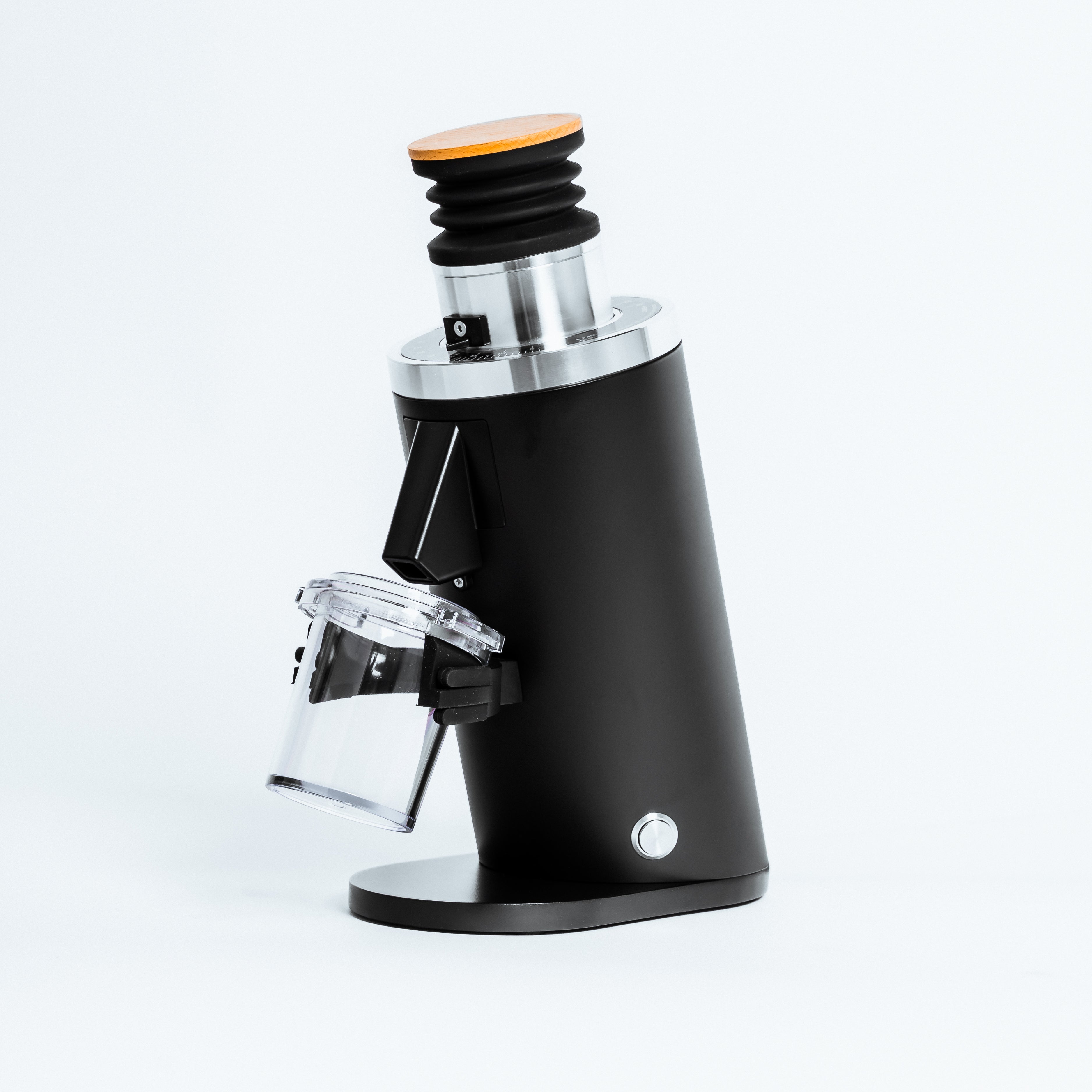
- The Fix: You need to increase the extraction. You can do this by grinding your beans finer (with a great quality, consistent grinder, like the DF54 coffee grinder) or increasing the water temperature. If you are using a manual method like a French Press, try increasing your brew time by thirty seconds.
Bitter, Ashy, or Dry
On the opposite end of the spectrum is the bitter cup. This often leaves a dry, sandpaper-like sensation on the roof of your mouth. This happens when the water has stayed in contact with the grounds for too long, or the water was so hot that it pulled out the heavy, astringent plant fibers and tannins that should have stayed in the grounds.
- The Fix: Decrease the extraction. Coarsen your grind so the water flows through faster, or lower your water temperature. If you are boiling your water, let it sit for two minutes before pouring; using water at a full rolling boil (100°C) is often too aggressive for medium and dark roasts.
Thin, Weak, or Watery
Sometimes the flavor profile is fine, but the body of the coffee feels like tea rather than a rich brew. This usually isn’t a grind size issue, but a math issue. Most people simply don’t use enough coffee.
- The Fix: Use a digital coffee scale. A strong ratio is generally 1:16, that is 1 gram of coffee for every 16 grams of water. If you are eyeballing it with a scoop, you are likely underestimating how much coffee you need. A scale ensures that your 12-ounce cup tastes the same every single morning.
Dull, Flat, or Musty
If your coffee lacks that pop of flavor, your beans are likely past their prime. Coffee is a fresh produce item; once roasted, it begins to oxidize. Similarly, if you haven’t cleaned your brewer with soap or a dedicated descaler recently, old coffee oils can go rancid and coat your fresh brew.
- The Fix: Check the “Roasted On” date, not the “Best By” date. Aim to use beans within 4 weeks of roasting. The best case scenario is to invest in a good electric grinder and grind fresh each day.
Final thoughts
By adjusting one variable at a time—grind size, temperature, or ratio—you can systematically transform a mediocre cup into a café-quality experience. Happy brewing!

The Quiet Artisans: How a Hobart Slicer Transforms the Modern Kitchen


